The long shadow of Knysna has stretched into the Netflix era, and Franck Ribéry is not staying silent. Hours after the release of the documentary 'Le bus, les Bleus en grève', the former France star took to social media with a pointed, almost cinematic reply to Raymond Domenech, who in the film reopens the question of who leaked the explosive Anelka-Domenech clash during the 2010 World Cup. Ribéry's message—'Mama Mia Domenech, je t'aime beaucoup, juste, je garde la vraie histoire pour plus tard'—was equal parts affection, irony, and a teaser that the definitive account of that infamous night may one day come from his lips.
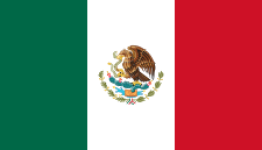
For those who need a refresher on one of the darkest chapters in Les Bleus' history, the Knysna mutiny unfolded after a dismal 0-2 defeat to Mexico. Striker Nicolas Anelka allegedly directed a torrent of insults at Domenech at half-time, a confrontation that, once it became public, triggered a player strike. The squad refused to train, remaining aboard their bus while the world watched aghast. Anelka was sent home, and France limped out of the group stage in disgrace. The fall-out was seismic: sponsors deserted, the federation launched inquiries, and the national team’s reputation lay in tatters.
In the Netflix documentary, Domenech suggests that Ribéry himself was the 'mole' who fed the story to journalists. Recounting the moments after the Mexico loss, Domenech says: 'Franck would have said: « Oh putain le coach à la mi-temps avec Nico, ça a été chaud ».' The implication is clear: Ribéry, the talismanic winger then at Bayern Munich, inadvertently or deliberately let slip the dressing-room secrets to reporters, igniting the scandal. It was a claim that instantly reignited a feud that had simmered for 16 years.
Ribéry’s response was swift and wry. He addressed Domenech directly on Instagram, blending a mock Italian exclamation with a filmmaker’s emoji—camera and clapperboard—to signal that his side of the story remains under wraps. The French phrase 'je garde la vraie histoire pour plus tard' translates loosely to 'I’m saving the real story for later,' a formulation that tantalises fans and pundits alike. It hints at potential memoirs, interviews, or perhaps a rebuttal documentary of Ribéry’s own, and it keeps the door firmly open on a conflict that many thought had been archived in the summer of 2010.
This exchange is the latest volley in a protracted war of words between the 2006 and 2010 World Cup squads and their former coach. Domenech, who was pilloried for his management style and his now-notorious post-match marriage proposal to his girlfriend after the Italy defeat, has often used media appearances to defend his legacy. Players like Ribéry, Patrice Evra, and Florent Malouda have each offered conflicting accounts of the mutiny, but Domenech’s journals—excerpted in the film—add fresh venom, containing harsh assessments of several senior players.
What does this new salvo mean for the legacy of Knysna? For Domenech, the documentary consolidates a narrative of a coach undermined by a cabal of powerful stars. For Ribéry, it is an opportunity to recast himself as a keeper of secrets rather than a betrayer. For fans, it is a reminder that the national team’s wounds remain unhealed. The 2010 debacle scarred a generation: it led to the appointment of Laurent Blanc and a period of rebuilding that eventually yielded the 2018 World Cup title, but the invisible line between those who were there and those who followed has never fully faded.
Ribéry’s decision to hint at future revelations also raises questions about the timing. With the 2010 players now retired or in the twilight of their careers, the post-career autobiography market is ripe. A tell-all from Ribéry, one of the most gifted and controversial French players of the 21st century, would be a publishing event. His coy reply suggests he is well aware of his story’s commercial and cultural value, and that he intends to control it on his own terms.
The reaction online has split between those who see Ribéry’s message as a dignified refusal to engage and those who interpret it as a tacit admission of guilt. If he were truly innocent, critics argue, why not simply deny the leak? The ambiguity is vintage Ribéry—a player who always thrived on the edge of chaos, whether dazzling defences or embroiled in off-pitch controversies.
In the broader context of French football, the Knysna documentary arrives at a time when the current national team, led by Kylian Mbappé, is forging a new identity. The contrast between the fractured 2010 squad and the relatively harmonious 2024 side is stark. Yet the ghosts of that bus in South Africa continue to haunt the FFF, and every time a veteran speaks, the scandal flickers back to life.
Ultimately, Domenech’s documentary and Ribéry’s riposte confirm that the battle for the narrative of Knysna is far from over. The mole question, like the mutiny itself, may never find a definitive answer in the court of public opinion. But one thing is certain: when Ribéry is ready to tell his 'vraie histoire,' the football world will be listening.
Based on reporting from L'Equipe.