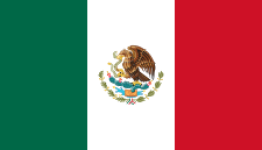
The 2026 FIFA World Cup, the first to feature 48 nations, will break new ground with not one but three distinct opening ceremonies spread across the host countries of Mexico, Canada, and the United States. This unprecedented move reflects the logistical and cultural demands of a tri-nation tournament, ensuring each host gets its moment in the global spotlight before its national team's first kick.
Mexico will have the honor of officially opening the tournament on June 11, when the Estadio Azteca in Mexico City hosts the opening match between El Tri and South Africa. The iconic venue, which previously hosted World Cup finals in 1970 and 1986, will stage a pre-match ceremony featuring Colombian reggaeton star J Balvin, Mexican-American singer Belinda, and Mexican ranchera legend Alejandro Fernandez. This blend of traditional and contemporary Latin music underscores Mexico's deep football and cultural heritage.
Just 24 hours later, attention shifts north to Toronto, where Canada will make its long-awaited return to the men's World Cup stage. The Canadian ceremony on June 12, before the match against Bosnia-Herzegovina, will showcase a diverse lineup: French-born Ivorian singer Vegedream, known for his football anthems, Indo-Canadian performer Nora Fatehi, and Canadian crooner Michael Bublé. The selection mirrors Canada's multicultural identity and is designed to resonate with a global audience tuning in for the tournament's second day.
On the same day, the United States will hold its own ceremony at SoFi Stadium in Los Angeles before facing Paraguay. The American event promises a star-studded spectacle with pop icon Katy Perry, rapper Future, and Brazilian sensation Anitta taking the stage. Los Angeles, a hub of entertainment, is a fitting backdrop for a ceremony that aims to blend Hollywood glamour with the world's most popular sport.
The decision to hold three separate opening ceremonies is a direct consequence of the expanded format and shared hosting responsibilities. With 48 teams and 16 match venues across three vast nations, FIFA recognized that a single pre-tournament event would not adequately serve the host communities. Each host nation's first match is a moment of national pride, and a dedicated ceremony allows for localized celebrations that can drive ticket sales, TV viewership, and cultural engagement.
From a competitive standpoint, these ceremonies add another layer of pageantry and pressure for the home sides. Mexico, playing in the storied Azteca with a passionate crowd, will carry the weight of history as the first host to take the field. Canada, after a 36-year World Cup absence, will feed off an electric atmosphere in Toronto, while the US will look to harness the star power of Los Angeles to launch its campaign with momentum. The ceremonies could serve as psychological boosts or, conversely, distractions depending on how teams manage the hype.
For FIFA, spreading the opening festivities across three dates and locations is also a commercial masterstroke. Each ceremony can attract different sponsors, media rights deals, and digital content opportunities, potentially maximizing revenue from the tournament's first week. Moreover, by tailoring each show to local tastes, FIFA strengthens its global brand, appealing to fans in Latin America, North America, and beyond. The inclusion of artists like Anitta and Vegedream highlights the tournament's international reach, while Katy Perry and Future ensure traditional US pop culture relevance.
The musical acts themselves tell a story of football's universal appeal. J Balvin's presence in Mexico connects the passion of reggaeton with the sport's Latin heartland, while Michael Bublé offers a touch of Canadian charm. Katy Perry's global fame and Anitta's Brazilian roots reflect the diverse fanbase expected to descend on the United States. These performances are not mere entertainment; they are strategic cultural signals designed to amplify the World Cup's message of unity and celebration.
Critics might argue that multiple opening ceremonies dilute the tradition of a single, iconic launch. However, the 2026 tournament is already a departure from history, with 48 teams and a new co-hosting model. The ceremonies, in effect, acknowledge that a tournament of this scale requires a reimagined approach to fan engagement. They also offer practical benefits: each host city can showcase its unique character, and fans in different parts of the world can tune in at more convenient times.
Looking ahead, this could set a precedent for future World Cups, especially if FIFA continues to favor joint bids. The 2030 tournament, set to span three continents for its centenary, might adopt a similar multi-ceremony format. For now, the 2026 edition is poised to be a landmark event not just on the pitch, but also in how football's biggest stage presents itself to the world. The three opening acts are more than just a logistical necessity—they are a bold statement of an inclusive and expansive era for the beautiful game.
Based on reporting from Foot - actualités, mercato, info & vidéo en continu.