France's path through the group stage of the 2026 FIFA World Cup has been formally laid out, with the French Football Federation receiving the detailed schedule for the tournament set to take place across the United States, Mexico, and Canada from June 11 to July 19. Les Bleus, drawn into a group featuring Senegal, the intercontinental playoff winner (which is confirmed as Iraq), and Norway, will now know the exact order, times, and venues for their three group matches, all of which are clustered on the East Coast of North America. This scheduling provides a glimpse into the logistical and competitive challenges that await Didier Deschamps' side as they aim to go deep in the expanded 48-team competition.
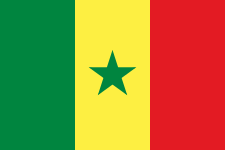
The campaign will kick off on Tuesday, June 16, when France face Senegal at 21:00 local time in France (which translates to 3:00 p.m. ET) at MetLife Stadium in New York. This opening encounter against the Lions of Teranga is set to be a high-profile affair, pitting the 2018 world champions against the current African champions in a match that could determine the tone for the entire group. Senegal, quarterfinalists in 2018, will present a stern test with their blend of physicality and technical skill, and a positive result here would give Les Bleus a crucial early foothold in the group.
Just six days later, France travel to Philadelphia for their second match, scheduled for Monday, June 22 at 23:00 French time (11:00 p.m. CET). The late kickoff will test the endurance of fans back home, but it also ensures prime-time viewing. The opponent that night is Iraq, who emerged from the intercontinental playoff tournament that also involved Bolivia and Suriname. While Iraq may be the least heralded team in the group, their qualifying journey means they arrive with momentum and little to lose. For France, this fixture represents an expected three points, but the quick turnaround and the possibility of squad rotation after the opener could make it a tactical balancing act for Deschamps.
The group stage concludes on Friday, June 26, with a return to a 21:00 French time start, this time at Gillette Stadium in Boston against Norway. The Solbakken-led side, who missed out on the 2022 and 2024 tournaments, are back on the global stage and will be desperate to prove a point. For France, this final group match could be decisive in securing top spot, especially if the earlier results have not gone entirely to plan. The evening timing is again favorable for French audiences, allowing a large domestic TV audience to tune in live.
From a travel perspective, the French team could not have asked for a much better itinerary. All three matches are in the northeastern United States—New York, Philadelphia, and Boston—which are within a few hours of each other by bus or short flight. This compact geography minimizes fatigue and logistical headaches, allowing the squad to establish a consistent training base if they choose. In contrast, some other groups will see teams crisscrossing the continent, but France's East Coast hub will feel almost like a home away from home, especially given the strong support the team often enjoys in North America.
The kickoff times, while varied, are clearly designed with European audiences in mind. The two 21:00 starts are ideal for prime-time viewing in France, while the 23:00 kickoff for the Iraq match is a nod to the global broadcast schedule, but will test even the most dedicated French supporters. Still, the 23:00 start could affect player recovery and preparation for the following match, though the four-day gap before the Norway game offers some respite. For the coaching staff, managing player sleep and training rhythms around these stiff late-night fixtures will be a key factor.
The expanded World Cup format—with 48 teams split into 12 groups of four—means that finishing in the top two is no longer a guarantee of a challenging last-16 opponent, as the eight best third-placed teams also advance. This safety net reduces the intensity of the group stage slightly, but Deschamps will be acutely aware that his team's goal is to win the group and secure a more favorable knockout path. France's squad depth, long one of its greatest strengths, should be more than sufficient to navigate a group featuring Senegal, Iraq, and Norway, but any slip-up could mean dropping points and potentially facing a more difficult opponent in the last 32.
Historically, France have often started tournaments slowly under Deschamps, needing time to find their rhythm. The 2026 schedule, with a tough opener against Senegal followed by two beatable but tricky opponents, mirrors that pattern and could allow them to build momentum. A win in the opening match would be an ideal launchpad, while a draw or loss would heap pressure on the subsequent fixtures. The presence of Norway, led by emerging talents, in the final game could create a dramatic finalé if the group is still tight.
The implications for the French domestic season are also worth considering. With the World Cup starting in mid-June, the club season will likely wrap up earlier than usual, impacting player fatigue and preparation time. The final pre-tournament training camp will be crucial, and the East Coast venues mean France may choose to base their camp in the United States well ahead of the first match, acclimatizing to time zones and conditions. The French Football Federation will already be deep in planning logistics to give the team every advantage.
For Senegal, Norway, and Iraq, the confirmation of the schedule allows them to begin their own preparations in earnest. Iraq, in particular, will be relishing the chance to face the mighty France on such a stage, while Norway will see the Boston match as a potential audition for their young stars. For France, however, the message is clear: the path out of the group is there to be seized, and the schedule, with its manageable travel and favorable time slots, gives them every opportunity to do so convincingly.
As the world counts down to the opening ceremony on June 11, France's group stage itinerary is now set in stone, and Deschamps and his staff can turn their attention from dates and times to scouting reports and tactical plans. The journey begins in New York, weaves through Philadelphia, and could reach a climax in Boston before the knockout rounds commence. With a blend of experience and youth, Les Bleus will be confident of making a statement early, knowing that the world will be watching.
Based on reporting from L'Equipe.